Ideas
Ideas, lived rather than argued
Mark's books grow out of experiments he has lived himself. Here are the ideas that run through them.
2008 – 2011
Living without money
For Mark, money is more than a means of exchange. It is a means of separation. When we buy food, we don't see the soil, the farmer or the fields that were cleared. When we pay for energy, we never see the mine.
To close that gap, he gave up money for almost three years. He lived in a caravan, grew and foraged his food, and traded his skills and time with the people around him. The experiment was never about poverty. It was about reconnection.
“Money creates a kind of disconnection between us and our actions.”
Read The Moneyless Man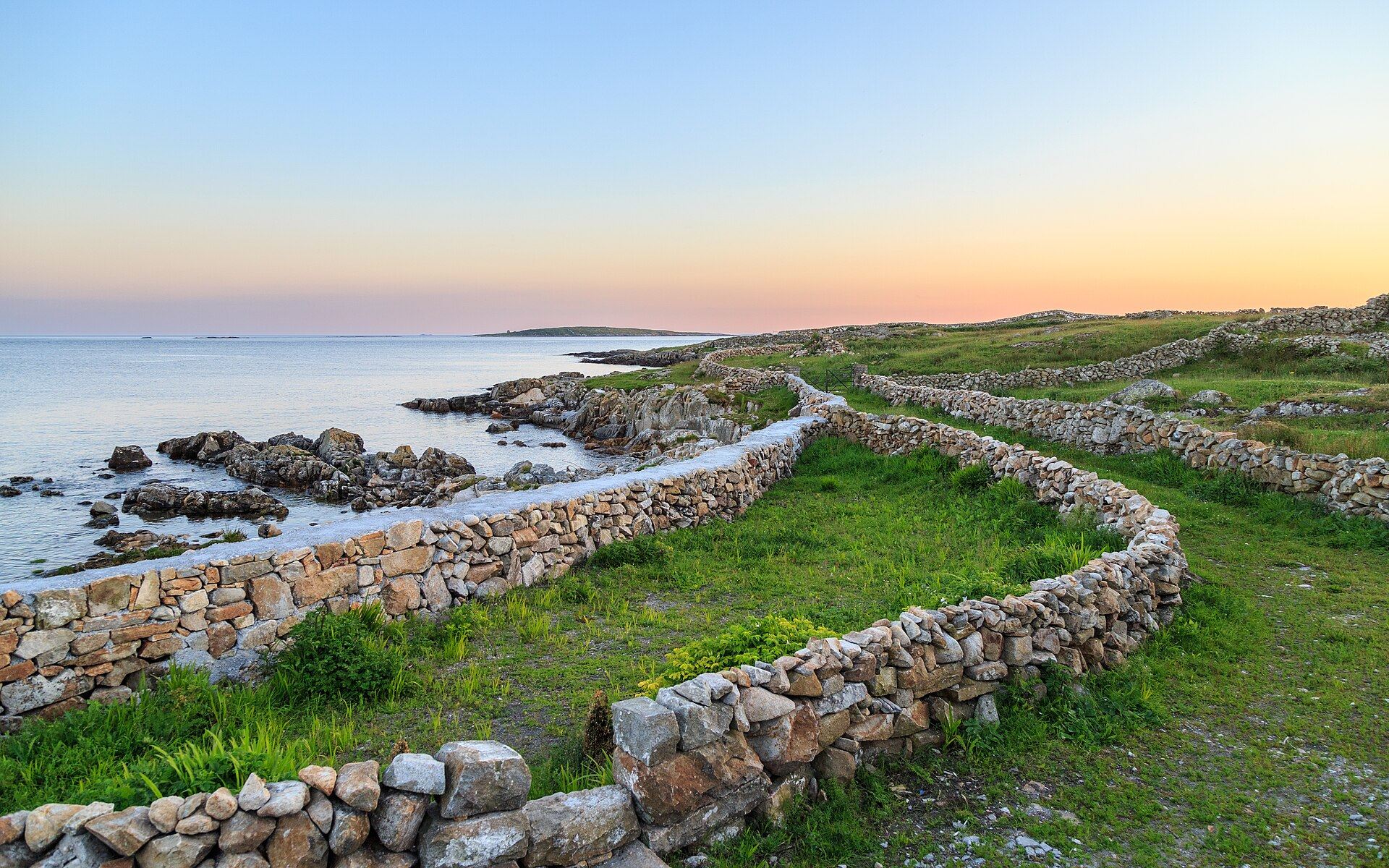
Since 2007
Freeconomy & the gift
Before he gave up money, Mark founded the Freeconomy Community, a way for people to share skills, tools and time freely. Members lent their ladders, taught each other to bake bread or fix a bike, and passed the favour on.
Its free “Freeskilling” evening classes brought neighbours together in cities like Bristol and London. In 2014 Freeconomy merged with Streetbank, and the pay-it-forward idea behind it now runs through all of Mark's work.
Read The Moneyless Manifesto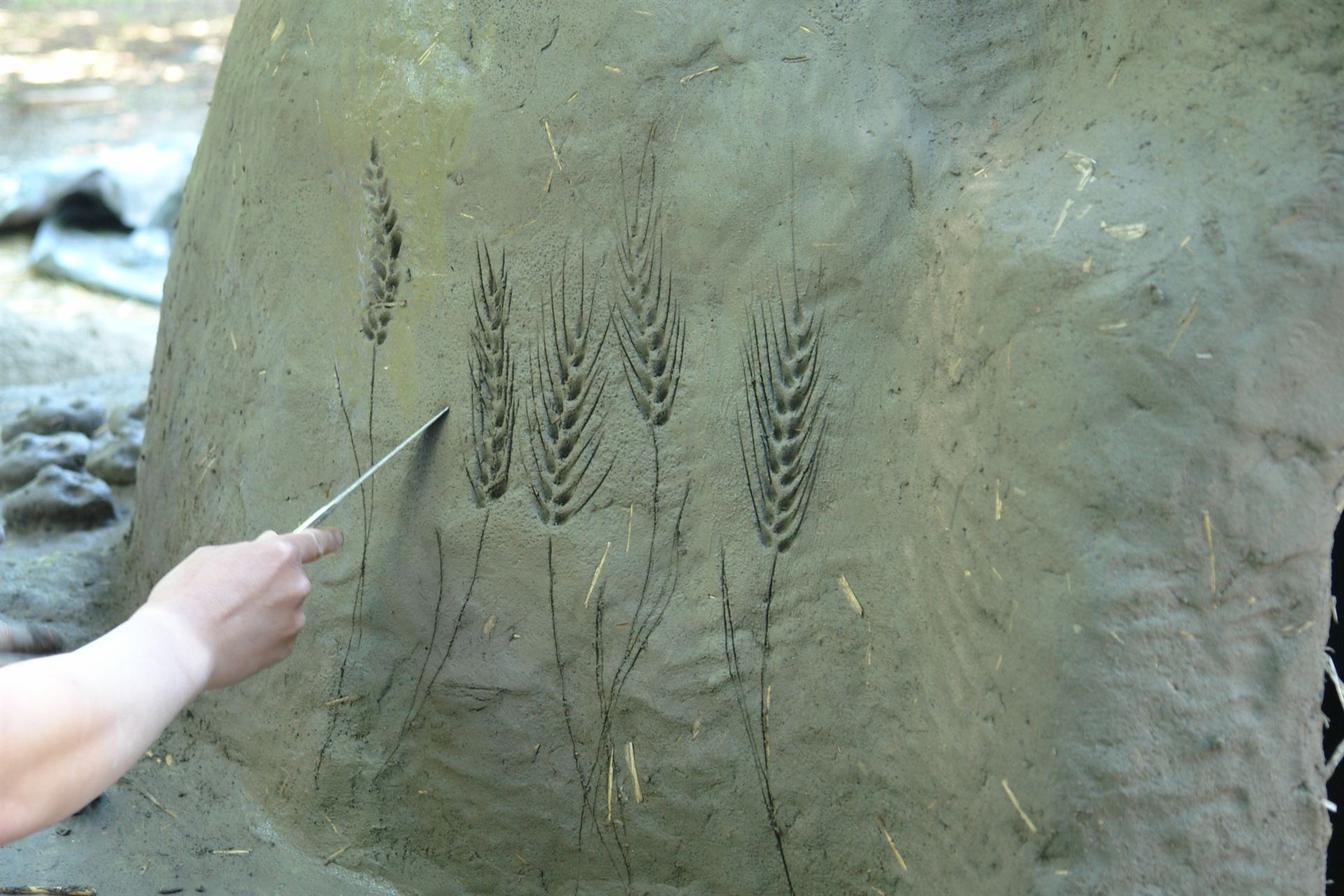
2015
The Happy Pig
On his three-acre smallholding in County Galway, Mark and his friends rebuilt an old pigsty with cob, cordwood and wattle and daub, and opened it as a pub where nothing had a price.
The Happy Pig was a free pub: a place where food and drink were given, not sold. It was the gift economy made real, in stone and earth.
2016 – present
Life without technology
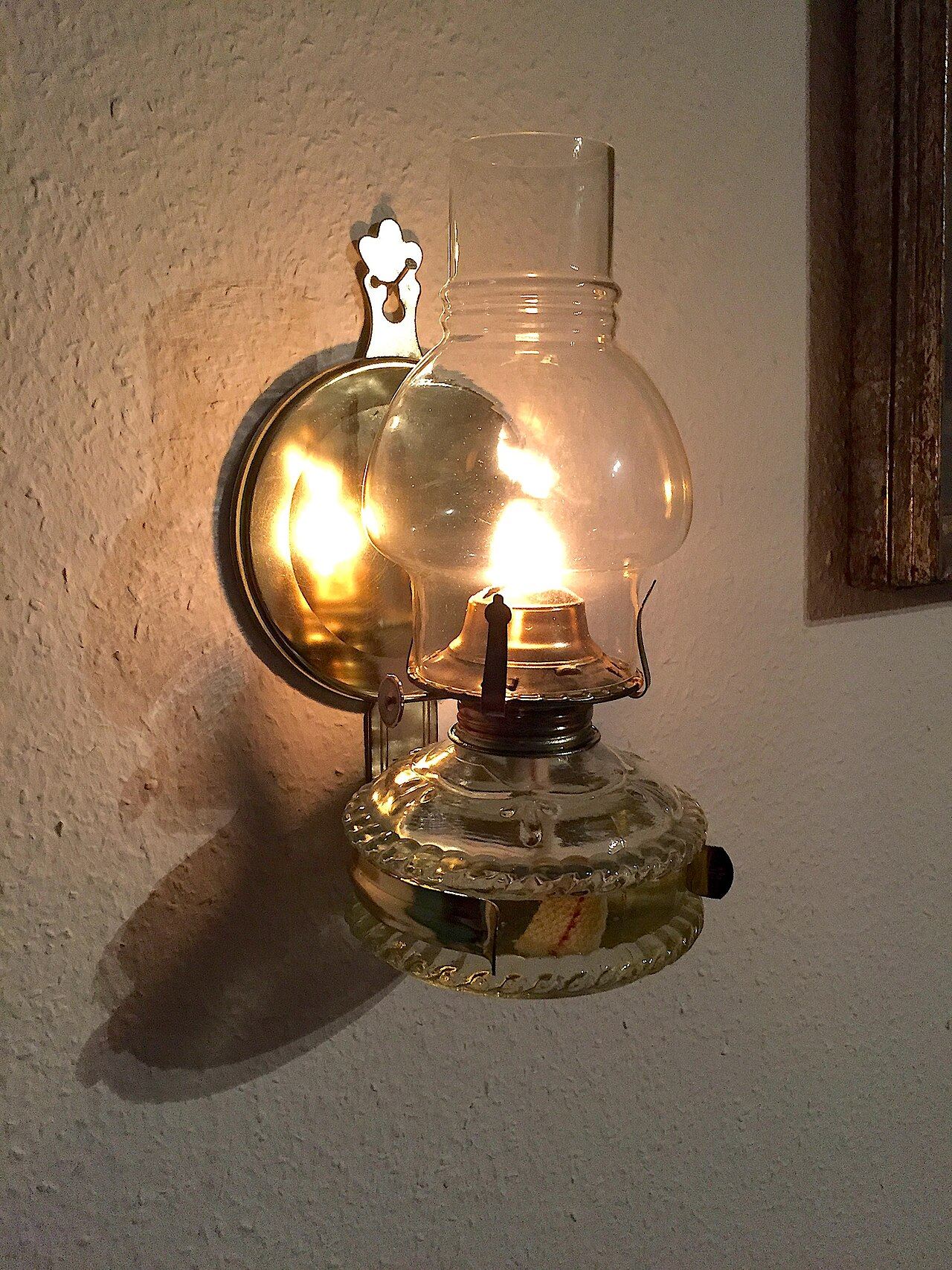
In 2015 Mark gave up newspapers, radio and television. On 20 December 2016, having moved into the home he built on his smallholding, he went further and gave up complex technology: phone, computer, internet and electricity.
He gave two reasons: his own happiness, and the conviction that industrial technology harms people and places in ways we rarely see. He still writes by hand and values a slower, quieter way of living.
“Technology destroys people and places. I’m rejecting it.”
The Guardian, December 2016
Ecology
Resistance & the wild
Gandhi first set Mark on his path, and Gandhi is the figure he argues with in Drinking Molotov Cocktails with Gandhi. The book asks whether peaceful protest alone is still enough to protect the living world.
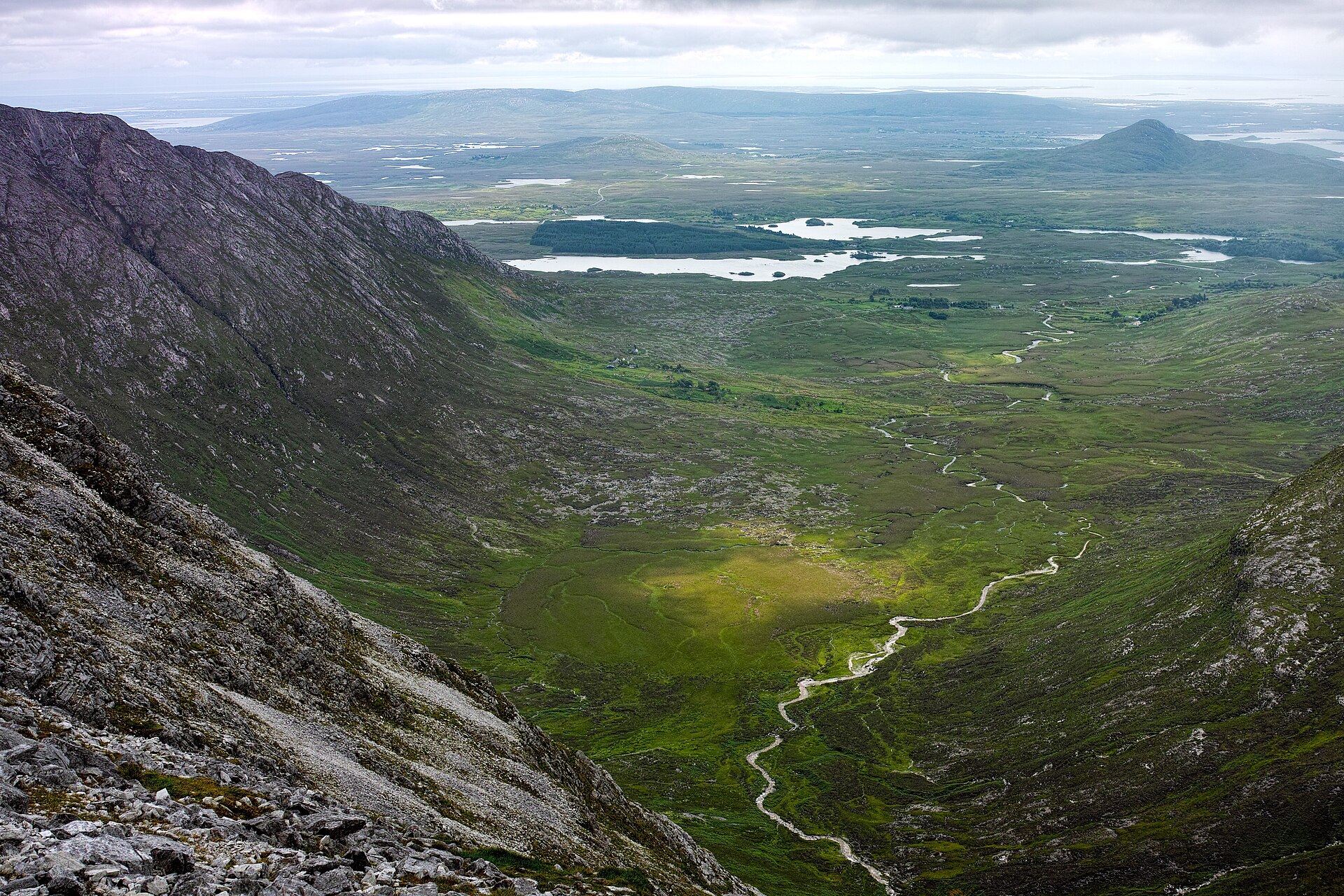
In his writing on rewilding, Mark has also challenged environmentalists who seek to “domesticate” wild places. He argues for a humbler relationship with nature, one in which humans are a part of the land, not its managers.
Read Drinking Molotov Cocktails with Gandhi